
04 Jul How I Track SOL Transactions and NFTs Like a Pro (Using Solscan)
Okay, so check this out—I’ve been poking around Solana explorers for years. Wow! The first time I dug into a raw SOL transaction I felt a little lost. My instinct said: follow the signatures, follow the fees, follow the program logs. Initially I thought block explorers were just for geeks, but then I realized they are the single best debugging tool for on-chain behavior, user mistakes, and surprisingly clever airdrops.
Whoa! Reading a transaction on Solana is different from EVM chains. Seriously? The anatomy is more compact, but also more layered—there are instructions, inner instructions, program IDs, and log output that sometimes reads like a server traceback. On one hand this is elegant. On the other hand it can be maddening when a failed swap leaves no obvious culprit. Actually, wait—let me rephrase that: often there’s a culprit, it’s just nested three levels deep in inner instructions.
Here’s the practical part. Hmm… start with the signature. Then check the status and timestamp. After that, scan the «instructions» section for program IDs and the «log» area for the exact revert reason. A lot of people skip the token balances before and after, which is a mistake. My instinct said to look at balances first, because they tell the real story.
I’m biased, but explorers should save you time. This part bugs me: some UIs bury the most useful bits behind extra clicks. Somethin’ about that feels unnecessary. Still, modern explorers like Solscan surface balances, holders, and NFTs quickly, which matters when you’re tracking an airdrop or following a suspicious transfer.
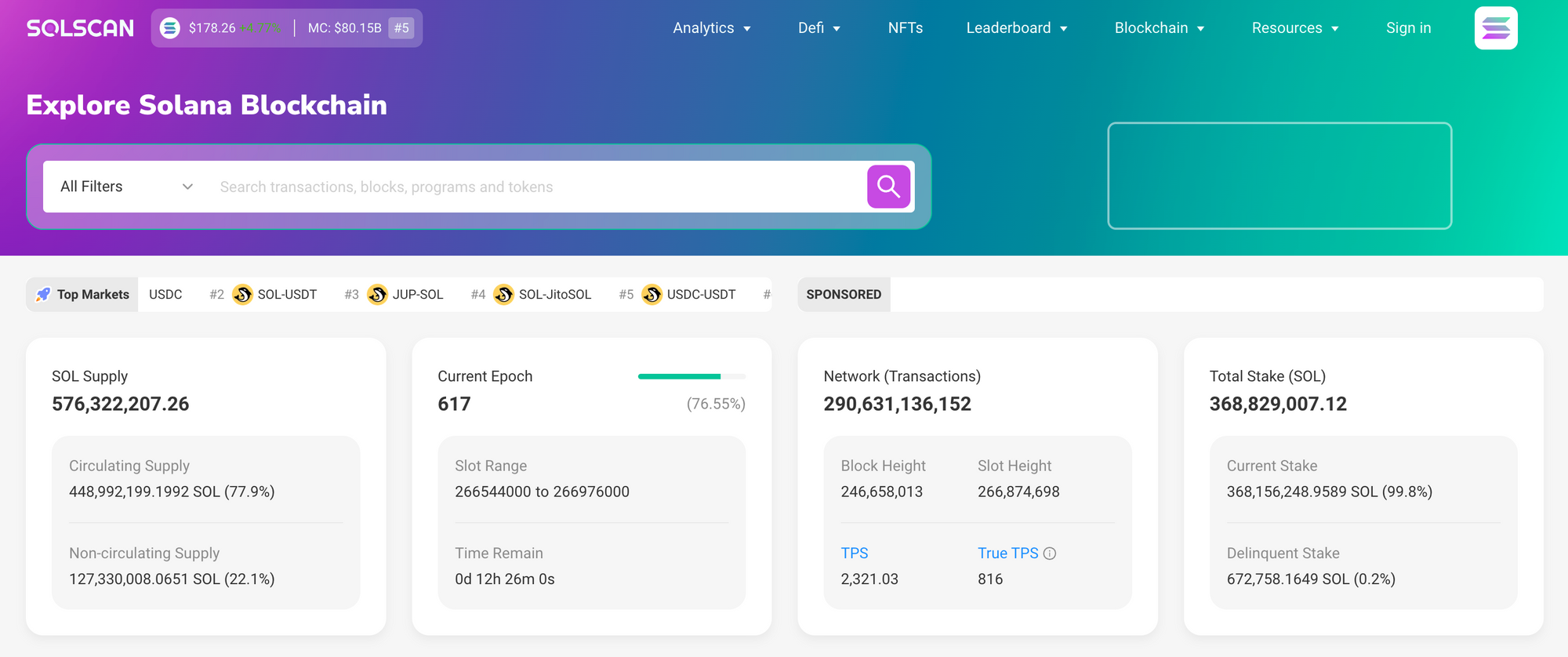
Why I trust the solscan explorer
When you want clarity fast, I often head to solscan explorer. It loads quickly and its transaction view is readable without needing a CS degree. On many occasions I’ve used it to confirm whether a failed swap was due to slippage, an out-of-sync oracle, or a mis-specified token account, and the logs usually tell the tale.
Quick story: once I tried to rescue an NFT transfer that failed because the recipient hadn’t created the associated token account. Wow! It looks like the transfer went through, but the token stayed in limbo. I found the issue in the inner instructions. My gut feeling had been right—there was an account mismatch—but the logs made it obvious. That little win saved the collector a lot of panicked messages.
Transaction lookups are the bread-and-butter. First, copy the signature into the search bar. Next, read the «fee payer» and «status» lines. Then expand the instruction tree to see which programs touched which accounts. Finally, check the post balances to confirm token movement. It takes a couple minutes once you know where to look.
For NFT tracking, you want two things. One: token metadata and verified creators. Two: transfer history with mint addresses and holder snapshots. Solscan shows historical holders and a timeline which helps when you’re tracing provenance, or when you need to confirm that an NFT didn’t get swept by a bad contract.
Something felt off about older explorers that didn’t show metadata correctly. That used to cause false positives when auditing collections. Over time tools improved and now metadata (the on-chain URI, collection verification flags, and creator shares) is much easier to inspect. Still, keep an open mind; not everything that looks verified actually is. Check the mint’s metadata on-chain, not just the UI badge.
On-chain analytics are underrated. Medium-term trading decisions can be informed by holder concentration, liquidity movements, and interaction patterns with major programs like Serum or Raydium. Long story short: data beats hype. Though actually, if you ignore on-chain data and just chase social posts, you’re asking for trouble.
There are a few caveats. Transaction logs can be noisy. Programs emit debug logs to help devs, but those lines can mislead non-developers. Also, inner instructions are where many critical state changes happen—ignore them at your peril. I’m not 100% perfect at spotting subtle issues every time, but these patterns repeat often enough that you get fast at reading them.
Practical tricks I use
First trick: compare pre/post balances side-by-side. That instantly shows who gained or lost tokens. Second trick: inspect the program ID—if it’s an unfamiliar program, google the ID or check known program lists. Third trick: use the search for wallet addresses to see the full activity profile; patterns jump out quicker than you’d expect.
Also, check block times when gas spikes happen. Sometimes a congested block or a sudden surge in transactions causes slippage and failed orders. Another tip: if a token is wrapped or has a wrapper program involved, follow the unwrap/unwrap instructions—those are classic failure points for transfers.
I’m not saying this is foolproof. On one hand explorers give you raw evidence; on the other hand they don’t tell you intent. A transfer could be an airdrop, a rug, or a wash trade. Context helps. (oh, and by the way…) always cross-check with social channels if you’re unsure, but prefer on-chain proof over a tweet.
Common questions I get
How do I confirm an NFT’s provenance?
Check the mint’s metadata URI on-chain, verify the creators list and their verified flags, and review the holder history to see where the token originated. If there’s a verified collection tag on the explorer, that’s helpful but not infallible; double-check the on-chain metadata for ultimate proof.
Why did my SOL transfer fail?
Look for an error in the transaction logs, expand inner instructions, and confirm the destination had the right associated token account (for tokens/NFTs). Often failures are due to rent-exemption, missing accounts, or program-level checks rejecting the instruction.
Can I track an airdrop in real time?
Yes. Monitor the program’s transactions and look for mass transfers from a single source or mint. Use holder snapshots to see new balances suddenly appear. Real-time tracking is easier when an explorer offers websocket feeds, though polling the explorer works too for casual checks.
Alright—final thought: if you’re working seriously with Solana, become friends with an explorer. It saves time, prevents mistakes, and reveals the hidden logic of programs. I’m biased, again, but experience shows quick truth underlies most blockchain puzzles. So go look at a raw transaction, squint at the logs, and then feel that small, satisfying click when the story clicks into place.
No Comments